

Places to Go Near Bryce Canyon
Bryce Canyon Country sits at the heart of one of the most concentrated collections of protected landscapes in the United States.Within a few hours of driving, visitors can move between two national parks, four state parks, two national monuments, vast national forest land, and one of the largest reservoirs in the country. Few regions anywhere offer this kind of variety in such a compact, accessible area.
Whether you're planning a single-destination trip or a multi-day loop through southern Utah, this guide covers every major place worth putting on your itinerary.
National Parks
Two of Utah's Mighty Five national parks sit within Bryce Canyon Country, each with its own distinct landscape and character.

Bryce Canyon National Park

Capitol Reef National Park
A lesser-known gem of sandstone cliffs, orchards, and ancient petroglyphs.
State Parks
Bryce Canyon Country's state parks reward visitors who venture off the main tourist trail.
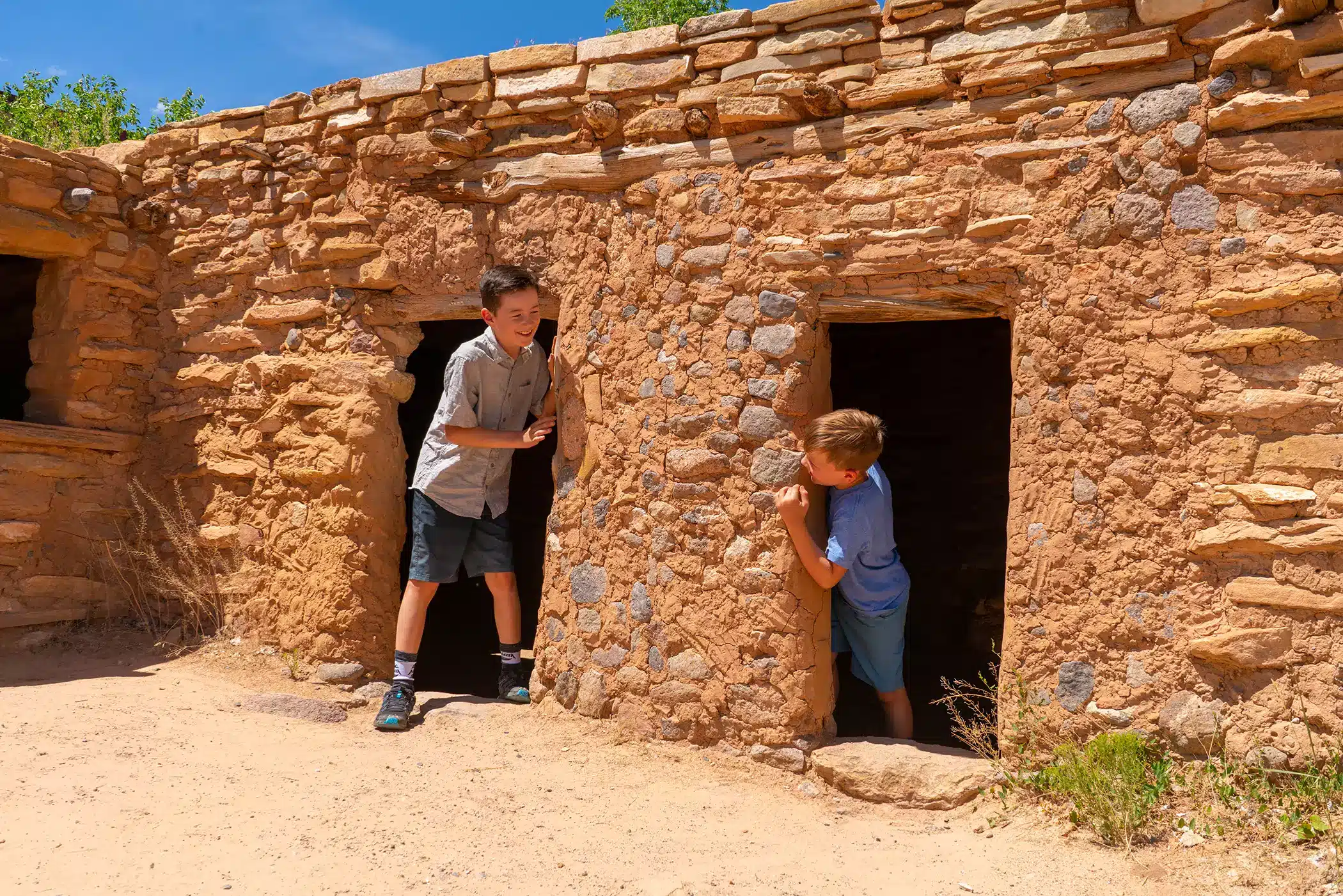
Anasazi Museum State Park
A window into the ancient Ancestral Puebloan culture of southern Utah.
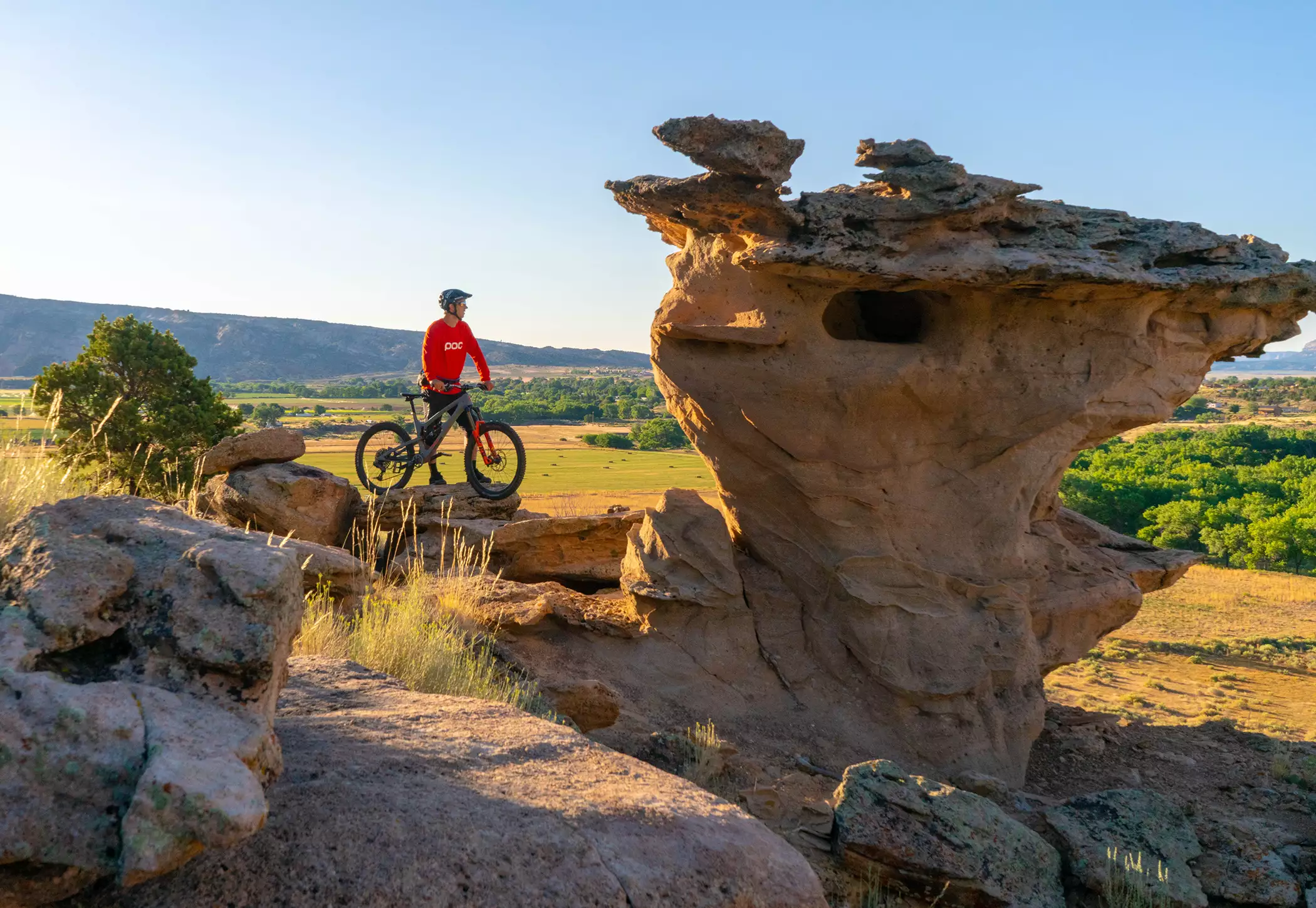
Escalante Petrified Forest State Park
Colorful petrified wood and a reservoir tucked into high desert terrain.
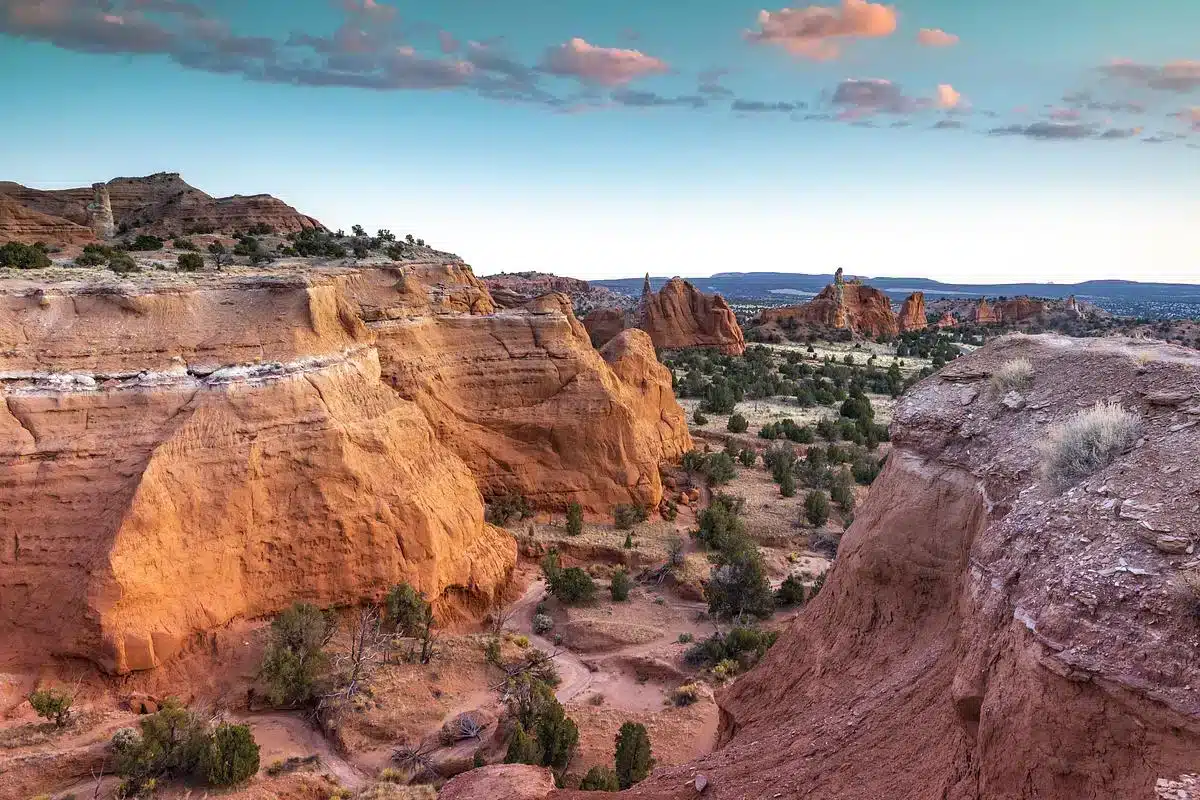
Kodachrome Basin State Park
Towering sandstone spires and vivid colors that live up to the name.

National Monuments
Two expansive national monuments bookend Bryce Canyon Country, each protecting landscapes and history on a staggering scale.

Cedar Breaks National Monument
A natural amphitheater of eroded rock sitting above 10,000 feet elevation.
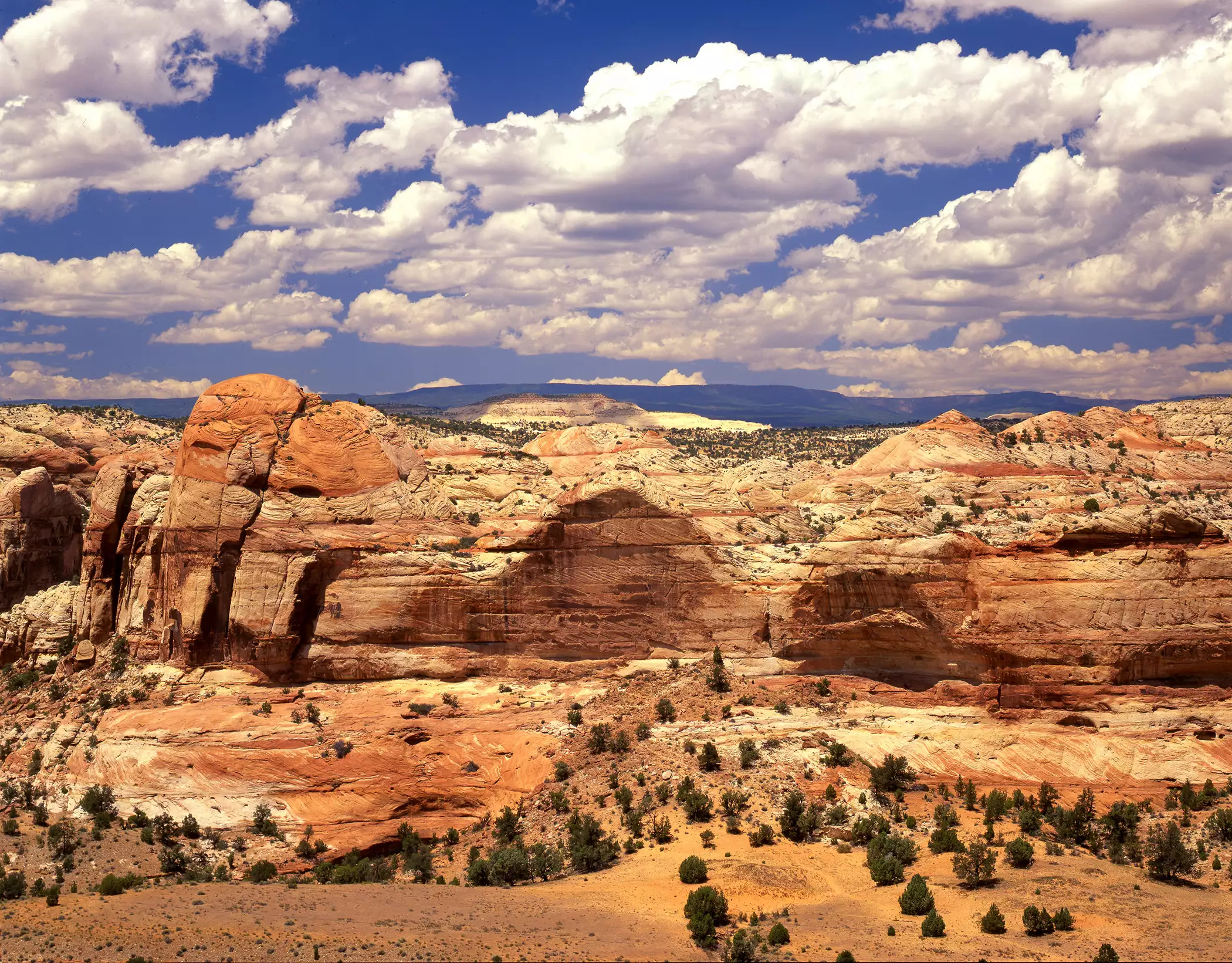
Grand Staircase-Escalante National Monument
One of the largest national monuments in the country, with canyons, arches, and wilderness.
National Recreation Areas & Forests
Beyond the parks, Bryce Canyon Country's national forest and recreation areas offer open, uncrowded access to some of the region's most dramatic terrain.

Dixie National Forest
Nearly two million acres of alpine meadows, forests, and backcountry trails.
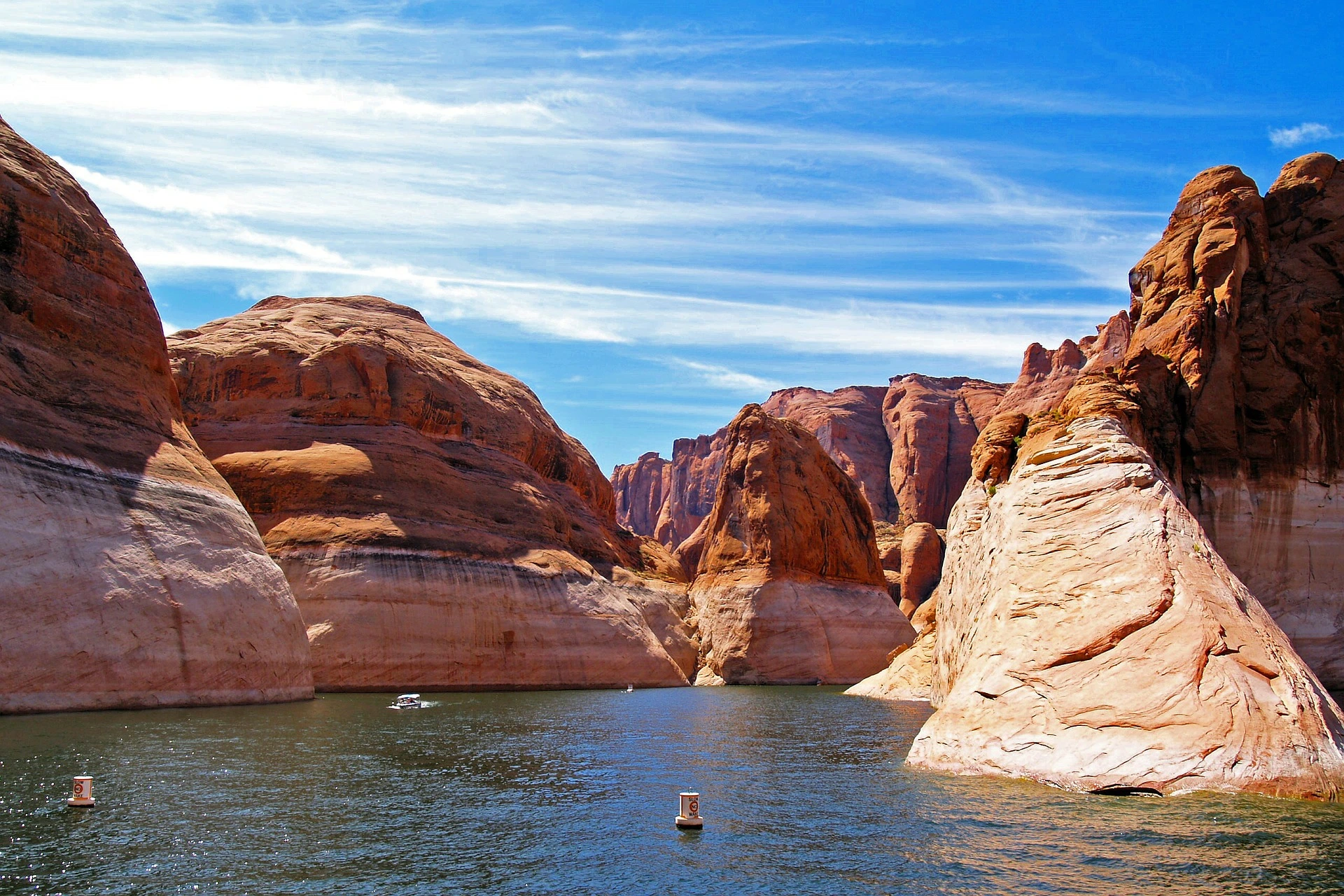
Glen Canyon National Recreation Area
A vast recreation area centered on the Colorado River and its canyon landscape.
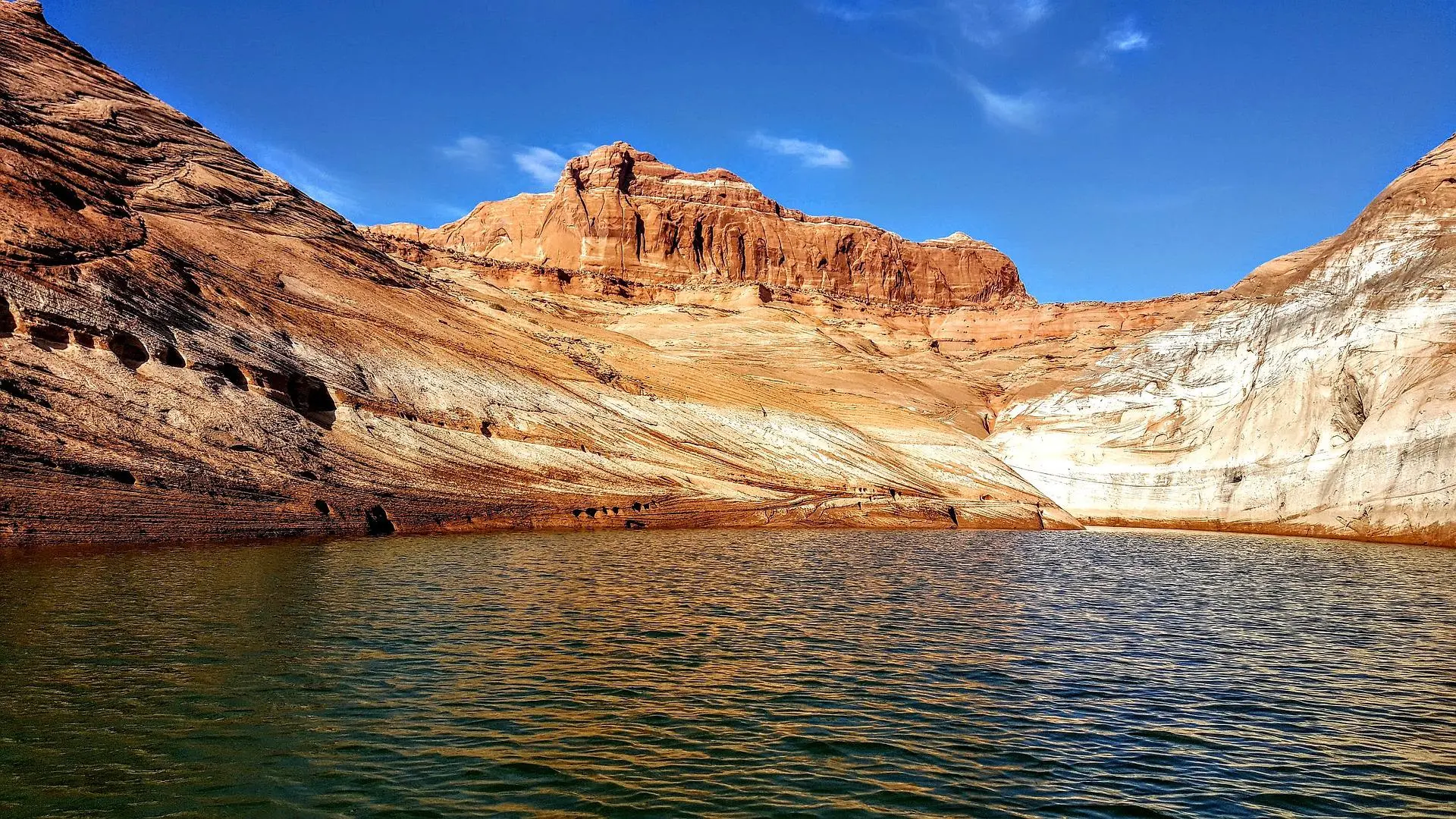
Lake Powell
One of the largest reservoirs in the United States, surrounded by red rock canyon walls.
Scenic Drives
Some of the most celebrated roads in the American West pass directly through Bryce Canyon Country.
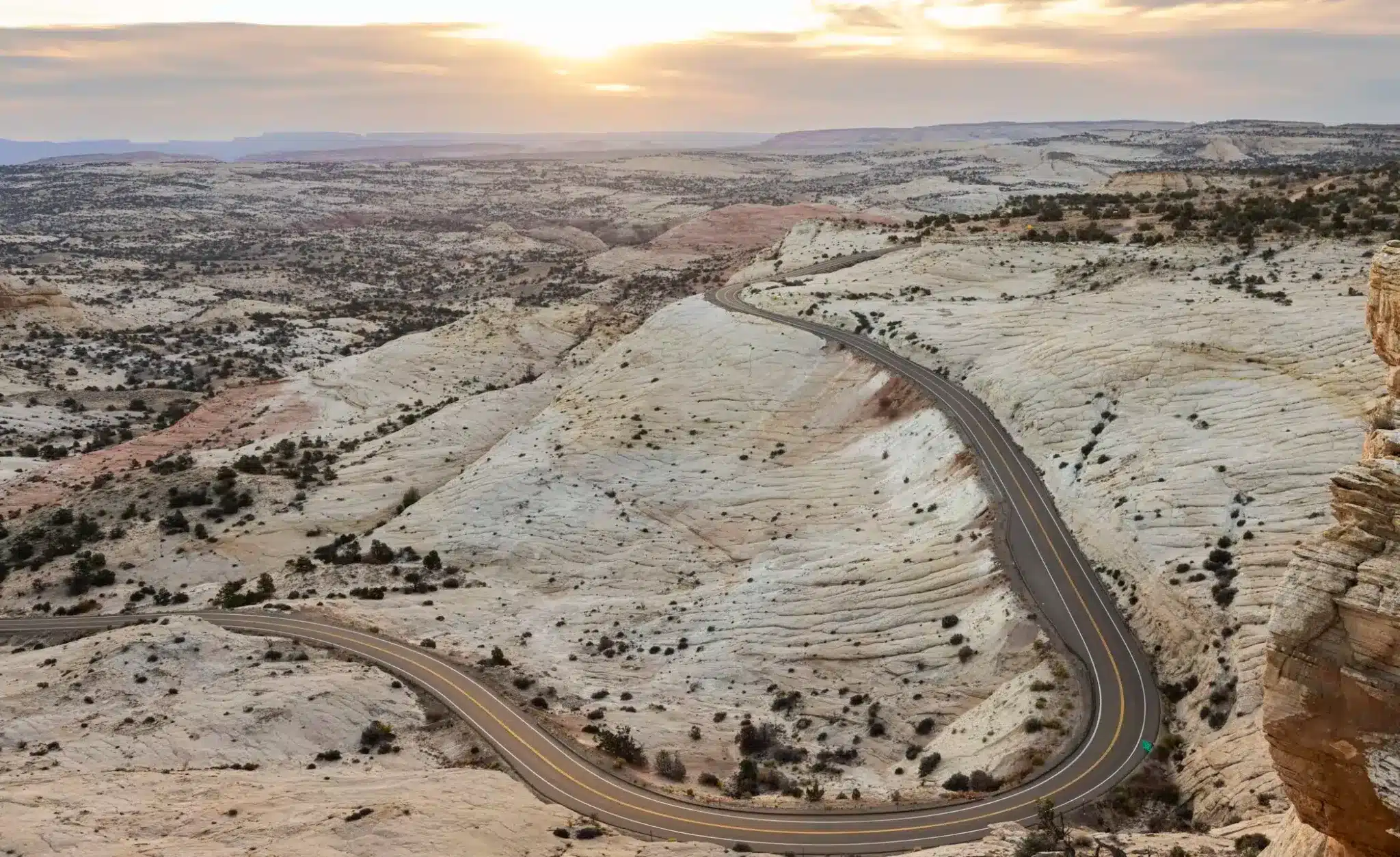

Highway 143 Scenic Byway
A high-elevation route connecting Cedar City to Bryce Canyon Country.
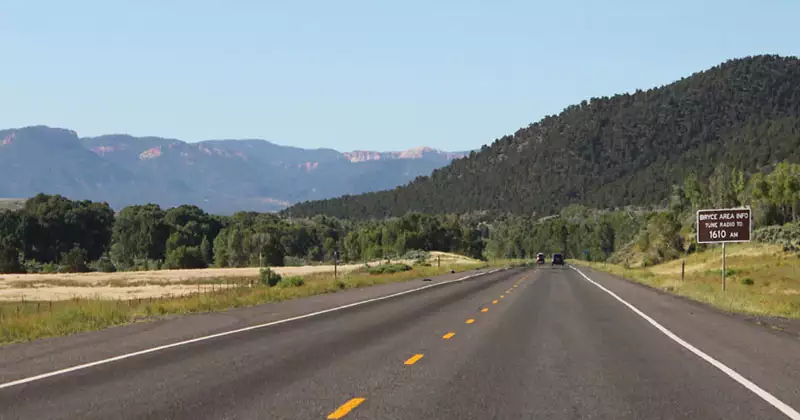
Highway 89 Scenic Byway
A sweeping corridor through the heart of southern Utah's canyon country.
Plan Your Visit by Season
Spring, summer, fall, and winter each open up different corners of Bryce Canyon Country. Here's what to expect.
Spring (March – May) Best for: Wildflower hikes, photography, state park visits Snow clears from lower elevations first, opening up state parks and monument roads before the higher national park routes. Crowds are light and the landscape is at its most vivid after winter.
Summer (June – August) Best for: All parks and recreation areas, Lake Powell, scenic drives Peak season means all destinations are fully open and accessible. Temperatures are warmest at lower elevations like Lake Powell and Glen Canyon, while higher parks like Cedar Breaks stay pleasantly cool.
Fall (September – November) Best for: Scenic drives, national monuments, state parks Highway 12 in October is widely regarded as one of the best fall color drives in Utah. Crowds drop off quickly after Labor Day and conditions for exploring the monuments and backcountry areas are excellent.
Winter (December – February) Best for: Bryce Canyon National Park, Cedar Breaks snowshoeing, quiet road trips Bryce Canyon is one of the few national parks that actively rewards winter visits. Snow-dusted hoodoos, near-empty viewpoints, and dramatically clear skies make it one of the most photographed seasons in the park.
Plan Your Trip to Bryce Canyon Country
Not sure how to fit all of this into one trip? Our itineraries map out the best multi-day routes through the parks, monuments, and byways of Bryce Canyon Country. View trip itineraries →
Frequently Asked Questions
How many national parks are near Bryce Canyon?
Two national parks sit within Bryce Canyon Country: Bryce Canyon National Park and Capitol Reef National Park. Zion National Park is also within a few hours drive, and is part of Utah's famous Mighty Five collection of national parks.
How much time do I need to explore Bryce Canyon Country?
A long weekend gives you time to cover Bryce Canyon National Park and one or two state parks comfortably. A full week allows you to take in the national monuments, scenic byways, and recreation areas at a more relaxed pace. Many visitors find the region rewards a slower itinerary, as there's more here than a quick stop can cover.
Do I need separate entrance fees for each park?
Yes, most parks and monuments have their own entrance fees. The America the Beautiful Annual Pass covers entrance to all national parks, monuments, and recreation areas managed by the federal government and is a cost-effective option if you plan to visit multiple sites. State parks require a separate Utah State Parks pass or per-day fee.
What is the most scenic drive in Bryce Canyon Country?
Highway 12 is consistently rated one of the most beautiful roads in the United States and is the standout drive in the region. It connects Bryce Canyon National Park to Capitol Reef National Park through Grand Staircase-Escalante National Monument, passing through some of the most dramatic canyon and plateau scenery in the American West.
Are the parks open year-round?
Bryce Canyon National Park is open year-round, though some interior roads and facilities close seasonally. Most state parks and the national monuments are also accessible year-round, with some seasonal road closures at higher elevations. Lake Powell and Glen Canyon National Recreation Area are accessible throughout the year.
Is Bryce Canyon Country good for a road trip?
It's one of the best road trip destinations in the American West. The region's parks, monuments, and byways are all connected by a relatively compact network of scenic highways, and most major destinations are within a two to three hour drive of each other. Highway 12 in particular is a road trip in itself.
Keep exploring Bryce Canyon Country
- Things To Do → /things-to-do/
- Places To Stay → /places-to-stay/
- Nearby Communities
- Trip Itineraries